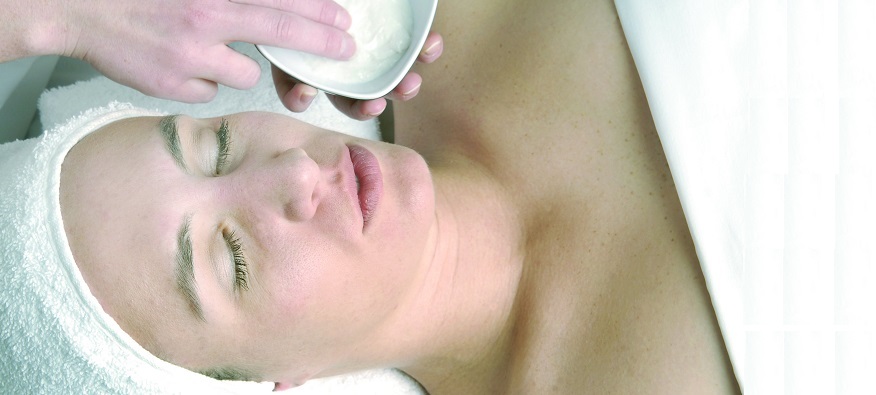

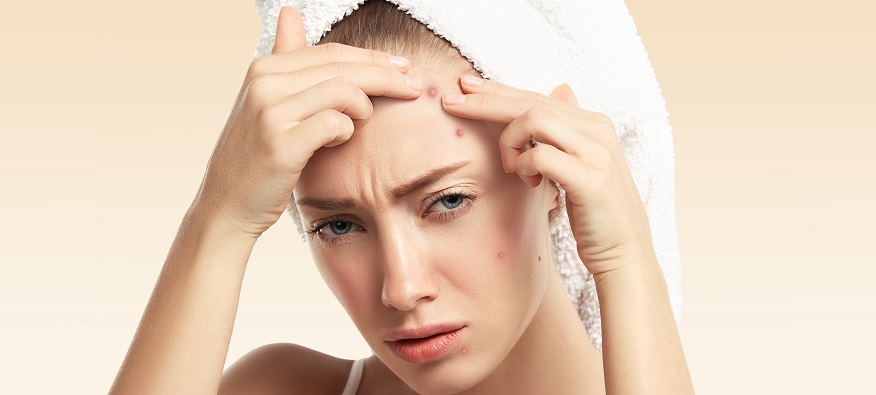
 Chemical peels can soften the appearance of fine lines and wrinkles. Chemical peels help rejuvenate the skin via a chemical solution that sloughs off the damaged, outermost layer of the skin, which allows smoother, more evenly pigmented skin to surface, notes the American Academy of Dermatology. The mildest type of chemical peels generally contain alpha hydroxy acids, or AHAs. A medium-depth peel consists of trichloroacetic acid, or TCA, while a deep peel uses the strongest chemical solution, known as phenol. Aftercare will vary depending on the strength of your chemical peel.
 A chemical peel is a treatment in which an acid solution is used to remove the damaged outer layers of the skin. In performing chemical peels, skin care specialist apply chemical peel to the skin.
Typically administered as a facial peel, a chemical peel enhances and smoothes the texture of the skin. It is an effective treatment for facial blemishes, wrinkles, and uneven skin pigmentation. They exfoliate the outer layers of dead skin, revealing a new skin layer with improved tone, texture, and color. In addition to full facial rejuvenation, certain types of skin peels can also be used for spot treatments and as a way to remove stretch marks or rejuvenate skin elsewhere on the body.

 ⭐⭐⭐⭐⭐
⭐⭐⭐⭐⭐ ⭐⭐⭐⭐⭐
⭐⭐⭐⭐⭐ ⭐⭐⭐⭐⭐
⭐⭐⭐⭐⭐ ⭐⭐⭐⭐⭐
⭐⭐⭐⭐⭐ ⭐⭐⭐⭐⭐
⭐⭐⭐⭐⭐